Resource
Metrc Michigan Reconciliation & Inventory Accounting Guide
Michigan Metrc records track regulated quantities and movements; the accounting inventory subledger tracks cost. Metrc Michigan reconciliation connects those records with physical counts, POS or production activity and the general ledger. This guide explains CRA compliance support, package-to-subledger tracking and documented inventory variance adjustments without treating Metrc as an accounting system.
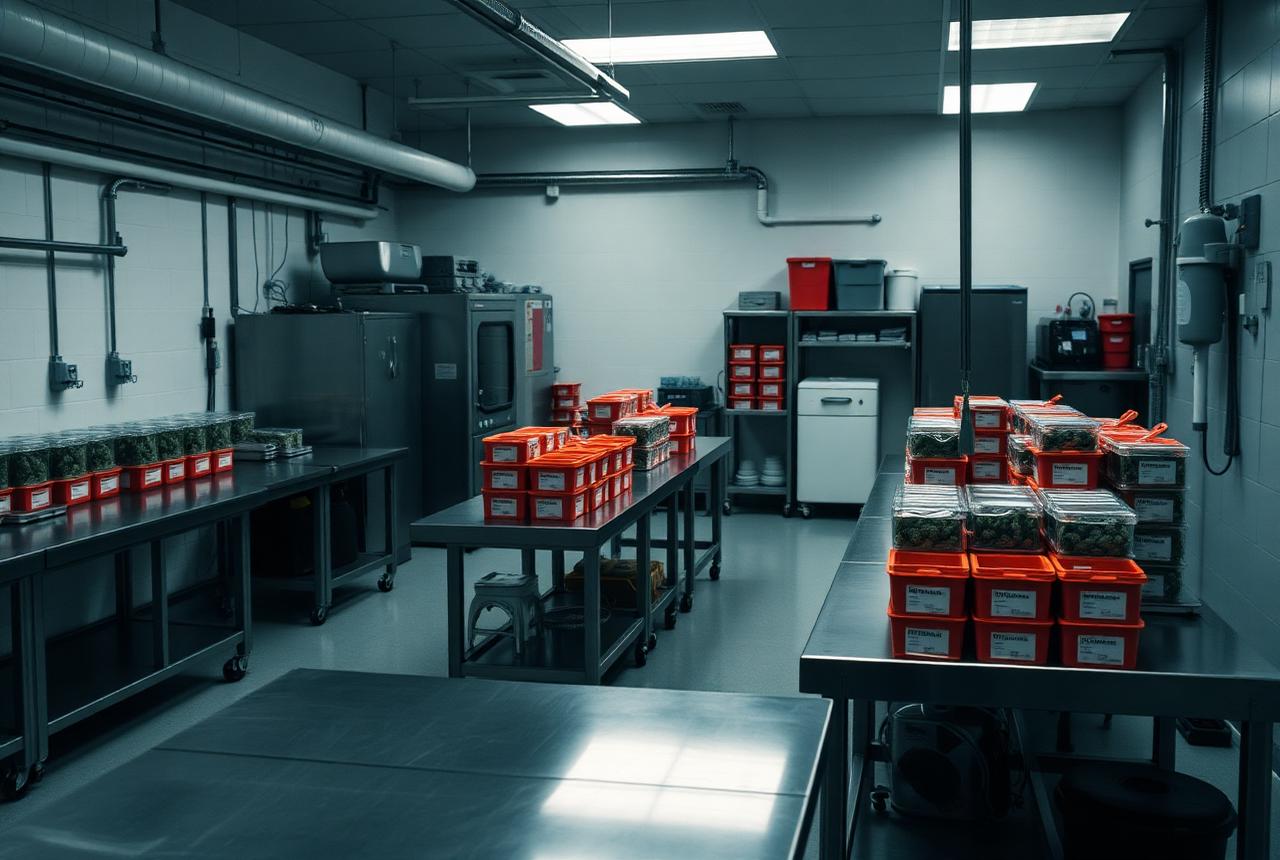
CRA Compliance and Michigan Metrc Records
The Cannabis Regulatory Agency (CRA) oversees Michigan marijuana licensees and their required inventory reporting. Plant tags, package identifiers, transfers, adjustments, waste events and sales form a quantity record from propagation to final sale. Retain exports by facility, license and cutoff alongside count sheets and manifests. Accounting reconciliation supports this compliance record but does not replace timely operational reporting or assure CRA approval.
Package-to-Subledger Tracking and General Ledger Tie-Out
Use a common cutoff to match every Metrc package tag to a product, SKU, location and unit of measure in the inventory subledger. Retain vendor invoices or production cost support separately from quantities. Match manifests to receipts and shipments, explain split or repackaged lots, and test unit conversions before comparing physical counts. Value the reconciled quantity subledger using the established costing method, then reconcile its dollar total to general ledger inventory and the COGS rollforward. Missing tags and unposted receipts belong on an exception list rather than being absorbed into a balancing entry.
- Quantity comparison at package level
- Manifest-to-receipt matching
- Adjustment authorization trail
Inventory Variance Adjustments and Approval Controls
Investigate timing, package mapping, unit conversions, receiving errors, repackaging, documented waste and count differences before adjusting inventory. Preserve the original export and record each exception's package tag, quantity difference, cause, evidence, approver and resolution. Authorized staff make operational corrections under current CRA and Metrc requirements; the accounting reviewer determines whether a corresponding cost adjustment is needed. Link that journal entry to the approved variance record. A cutoff difference may need no cost adjustment, and a missing invoice is not automatically shrink. Never post a plug merely to force totals to agree.
Cannabis Inventory Reconciliation Cadence and Records
Review retail sales and operational exceptions daily and production movements at defined milestones. Complete cannabis inventory reconciliation alongside the monthly financial close, using physical counts or documented cycle-count controls suited to the operation. Retain signed counts, Metrc exports, manifest matches, package mapping, the valued subledger, general ledger tie-out and approved inventory variance adjustments. Inventory reconciliation services should define who prepares, reviews and resolves each exception; permissions and operational corrections remain the licensee's responsibility.
Frequently Asked Questions
- Who should hold adjustment permissions?
- A limited set of designated staff, separate from whoever performs reconciliation.
- What tolerance is reasonable?
- Set a documented threshold appropriate to product form and license type, and investigate anything above it consistently.
- Does the monitoring system replace inventory accounting?
- No. It tracks quantities; the accounting records carry cost. Both are required.
Related Services
Seed-to-Sale Reconciliation
Reconciliation between the statewide monitoring system, inventory subledgers, and the general ledger for licensed Michigan cannabis operators. We provide comprehensive reconciliation between your general ledger and the Cannabis Regulatory Agency (CRA) mandates, including direct workpaper preparation for the mandatory Michigan Annual Financial Statement (AFS) audit reports required for active licensure.
Read moreCultivation Accounting
Cost accounting for cannabis growers: batch costing, capitalized production costs, yield analysis, and inventory reconciliation across the grow cycle.
Read moreDispensary Accounting
Retail cannabis accounting covering point-of-sale reconciliation, cash controls, inventory valuation, and monthly close for licensed provisioning centers.
Read moreRelated Resources
Cultivation Accounting Guide
Batch costing, capitalization, yield measurement, and inventory staging for licensed cannabis cultivation operations.
Read moreBookkeeping Guide
Daily, weekly, and monthly bookkeeping routines for licensed cannabis businesses, with reconciliation checklists and coding standards.
Read moreAudit Preparation
How licensed cannabis operators can prepare for federal examination, state tax review, and regulatory inspection through documentation practices.
Read moreDiscuss Your Operation With a Cannabis Accounting Specialist
Call to talk through your license types, current records, and reporting needs, or schedule a consultation at a time that works for your team.